For years, humanoid robots were mostly a style exercise: glossy videos of prototypes walking, dancing, or opening a door, followed by long stretches of silence before the next announcement. In 2026 that pattern is breaking down. Several companies — from established robotics players to startups founded in just the last three years — have started deploying humanoid robots in real work environments, not just in front of a camera, and the number of operational units in the field is now counted in the thousands.
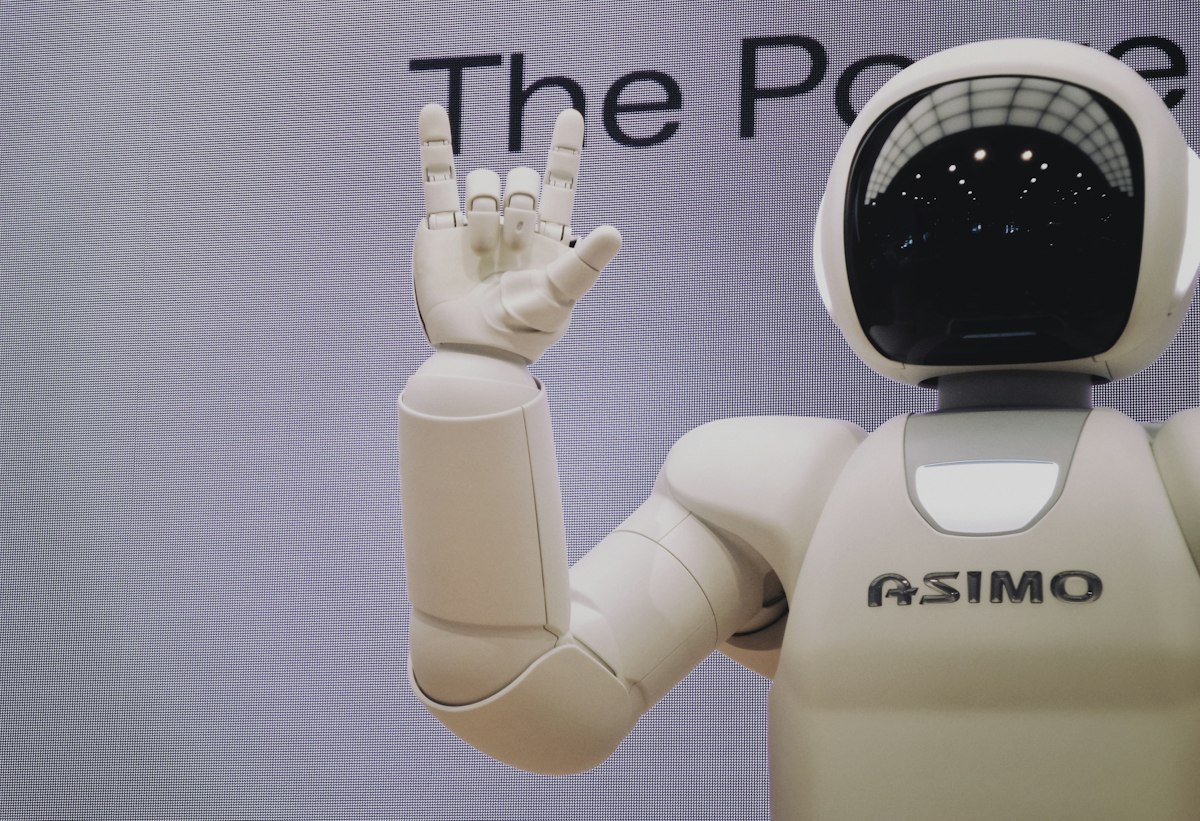
What’s different from the humanoids of the past
Early attempts at humanoid robots ran into a very specific bottleneck: even a robot that could walk in a stable way couldn’t generalize. It had to be reprogrammed almost from scratch for every new task. What’s changed over the past two years is the arrival of foundation models for movement, trained on huge amounts of video and simulation data — the same approach that made language models capable of generalizing now lets a robot grasp an object it has never seen before, or adapt to an uneven floor, without a single line of code written specifically for that case.
On top of that, batteries with higher energy density, actuators that are cheaper to mass-produce, and a supply chain that has consolidated around a handful of shared standards have all sharply driven down costs compared with the hand-built prototypes of a decade ago.
Where they’re already working, today
- Logistics and warehouses. Moving packages between stations, loading and unloading pallets, repetitive tasks in environments already designed for automation but too irregular for a fixed robotic arm.
- Production lines. Low-to-medium precision assembly tasks, often working alongside human operators during a transition phase rather than replacing them outright.
- Inspection and quality control. Robots that walk along production lines or plants to visually check for anomalies — a task where the humanoid form helps them move through spaces designed for people.
- Research and retail demonstrators. Still limited, but some retailers are testing humanoids for restocking shelves during closing hours.
The problems still unsolved
- Reliability over long shifts. A robot that performs perfectly for twenty minutes in a demo has to prove the same reliability for eight straight hours, five days a week, without constant supervision.
- Safety in spaces shared with people. Certifications and protocols are still being defined to ensure a robot’s mistake doesn’t translate into a physical risk for the people working next to it.
- Total cost of ownership. The purchase price is only part of it: maintenance, spare parts, and downtime weigh just as heavily, if not more, on the decision to adopt them at scale.
- Job impact. The debate over which roles will actually be replaced, and on what timeline, remains open and politically sensitive.
Tip: if you work in an industry evaluating humanoid robot adoption, look at the real uptime data from pilots already underway, not just the demo videos — that’s where the gap between a ready product and one still in development becomes visible.
What to expect from here
2026 won’t be the year humanoid robots become ubiquitous, but it’s likely the year they stop being seen as science fiction and start showing up, in growing but still limited numbers, in real industrial and logistics settings. The real question for the next few years isn’t whether the humanoid form will win out over more specialized configurations — it’s which specific niches will actually justify the extra cost of a robot built to move through a world designed for humans.