Every few years, the tech industry announces “the next big device after the smartphone,” and for a long time that was mostly a promise. In 2026, something shifted: smart glasses and devices for so-called spatial computing have stopped being trade-show demos and become products people actually buy and use — even if the full revolution is still far from complete.
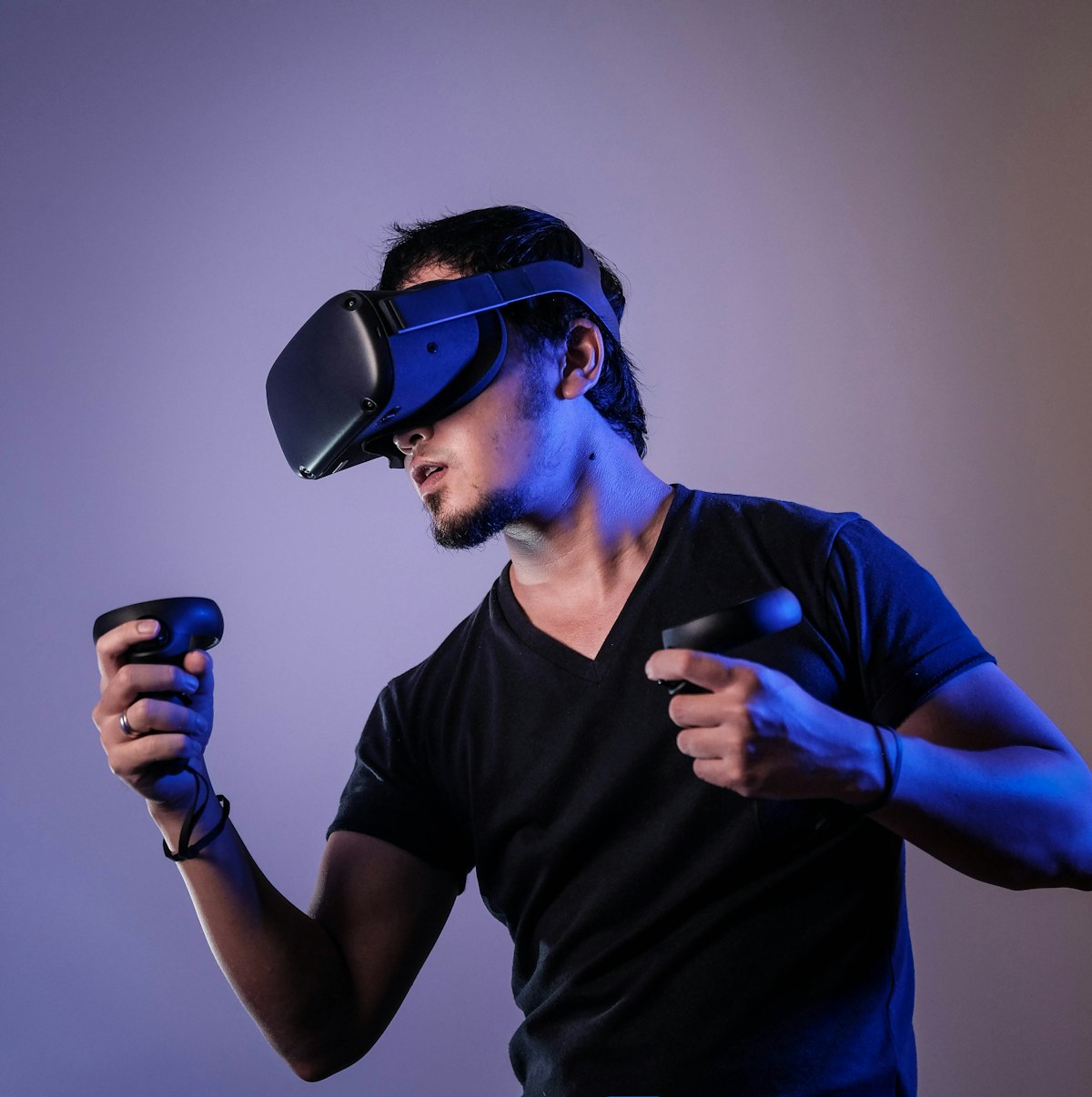
From smart earbuds to glasses with a display
The first commercially successful generation of “smart” glasses focused on simple features: a built-in camera, directional audio, an always-available voice assistant — but no display in front of the eyes. What’s arriving now is a further step: lenses capable of overlaying real information onto your field of view — notifications, directions, real-time translation — without the weight and bulk of a full VR headset.
What they can actually do today
- Quick notifications and information. Messages, time, directions shown directly in your field of view, without pulling your phone out of your pocket.
- Real-time translation. Subtitles for a conversation in another language projected almost instantly — one of the most appreciated uses in early real-world tests.
- First-person photo and video. Capturing a moment from your own point of view, with no device to hold.
- Productivity on the go. Virtual screens usable anywhere for people working while traveling, with no need for a physical monitor.
Why now, and not earlier
Three converging factors explain why 2026 finally feels like the right moment: micro-LED displays small and efficient enough to fit into a normal frame, denser batteries able to last a full day of use, and — above all — computer vision models light enough to run directly on the device, without having to send every frame to a remote server to be interpreted.
The limits holding back mass adoption
- Still-limited battery life. Even the most advanced models struggle to cover a full day of heavy use without a mid-day charge.
- High price. Models with a real display remain expensive, in a range that makes them more of an enthusiast purchase than a mass-market product.
- Privacy and social perception. A camera that’s always potentially on, worn on someone’s face, raises legitimate questions for the people around them — an issue that has already slowed adoption of similar devices in the past.
- A still-young app catalog. The “must-have apps” equivalents that made the smartphone indispensable are still missing: the device is here, but the software ecosystem around it is still being built.
Tip: if you’re curious about trying spatial computing but don’t want to commit to an expensive device right away, start with smart glasses that skip the display entirely — they cost a fraction of the price and give you a real sense of how daily interaction changes before stepping up to a more advanced device.
What to expect from here
2026 isn’t the year smart glasses replace the smartphone — it’s the year they stop feeling like a niche experiment. The most likely path is a prolonged coexistence between the two devices, with glasses gradually absorbing the quicker, more contextual interactions while the smartphone stays the computing hub for everything else. Whoever wins this phase won’t necessarily be whoever has the most advanced hardware — it’ll be whoever builds an app ecosystem people genuinely feel they can’t live without first.