There’s a detail that rarely shows up in announcements about new AI models: how much energy it takes to train and run them. In 2026, that detail has become impossible to ignore. The growing compute demand for AI is straining power grids in several regions, to the point where some major tech companies have stopped relying solely on buying certified renewable energy and started signing direct deals with nuclear plant operators instead.
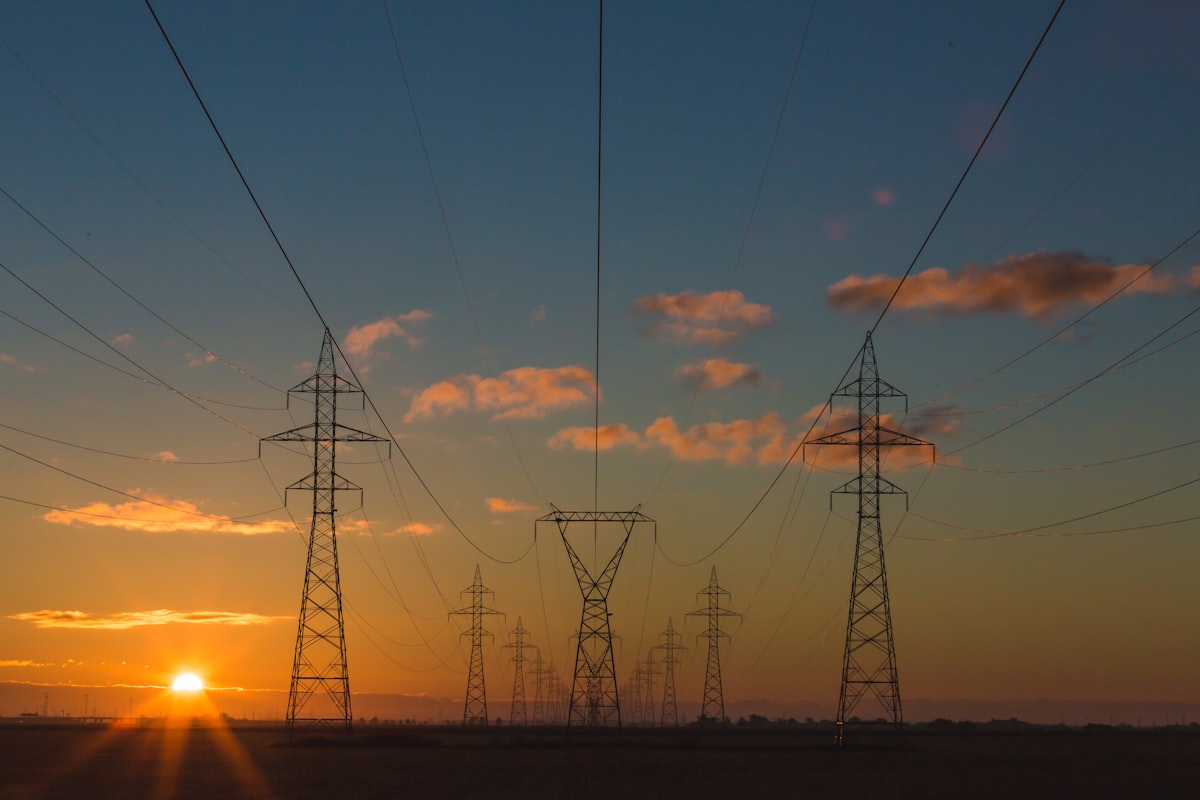
How much energy AI actually needs
A single data center built for training large models can consume as much power as a mid-sized city. It’s not just the initial training run, which is massive but time-limited — it’s continuous inference, billions of daily requests hitting models already in production, that keeps pushing consumption up month after month, with no sign of slowing down.
Estimates vary a lot depending on the source, but nearly every energy-sector analyst agrees on one point: electricity demand tied to data centers is growing faster than the traditional grid can expand on its usual timeline for building new generation capacity.
Why big tech is looking at nuclear
Nuclear power offers a combination that’s hard to find elsewhere: constant 24/7 output, independent of weather, with a very low carbon footprint. For a data center that can’t afford voltage dips, that stability is worth more than the price per kilowatt-hour.
- Restarting existing plants. Some energy operators have brought reactors that had been shut down for years back online, signing multi-year supply contracts directly with individual tech companies.
- Direct investment in new capacity. Several big tech firms have started funding the construction of new plants in exchange for priority purchase rights on the power they produce.
- Small modular reactors (SMRs). Reactors much smaller than a traditional plant, designed to be built faster and sited close to the data center they need to power, cutting transmission losses.
The risks and the criticism
- Long build timelines. Even SMRs, despite promises of speed, remain subject to permitting and safety processes that take years, not months.
- Competition for grid resources. If the additional nuclear power is reserved almost exclusively for data centers, the benefit for decarbonizing the broader grid may end up smaller than the headlines suggest.
- Dependence on a handful of suppliers. Concentrating critical energy production in the hands of a few nuclear operators creates a new fragility point in the AI supply chain.
- Public perception. Nuclear power remains politically sensitive in many countries, and project timelines depend on public acceptance as much as on the technology itself.
Tip: when you read about an “AI energy deal,” check whether it’s genuinely new, additional capacity or just a purchase contract on power that already existed — that distinction determines whether the deal actually helps the grid or simply reshuffles who gets priority.
What to expect from here
The race for energy to power AI is becoming just as decisive as the race for chips in determining who can afford to train and run the largest models. Nuclear power, after years on the margins of the energy debate, is back at the center — not for ideological reasons, but for a very pragmatic calculation: it’s one of the few sources that can guarantee the continuity a data center needs. How quickly this bet turns into real new capacity, rather than just announcements, is the question that will shape the next few years of the industry.